
Create a Wallet
Start from a trusted entry point and understand how the wallet, address, and recovery material relate.
Read guide →From multi-chain assets, network selection, sending and receiving to DApp connections, approvals, network knowledge, and wallet security, imtoken brings practical actions and risk checks into one clear path.
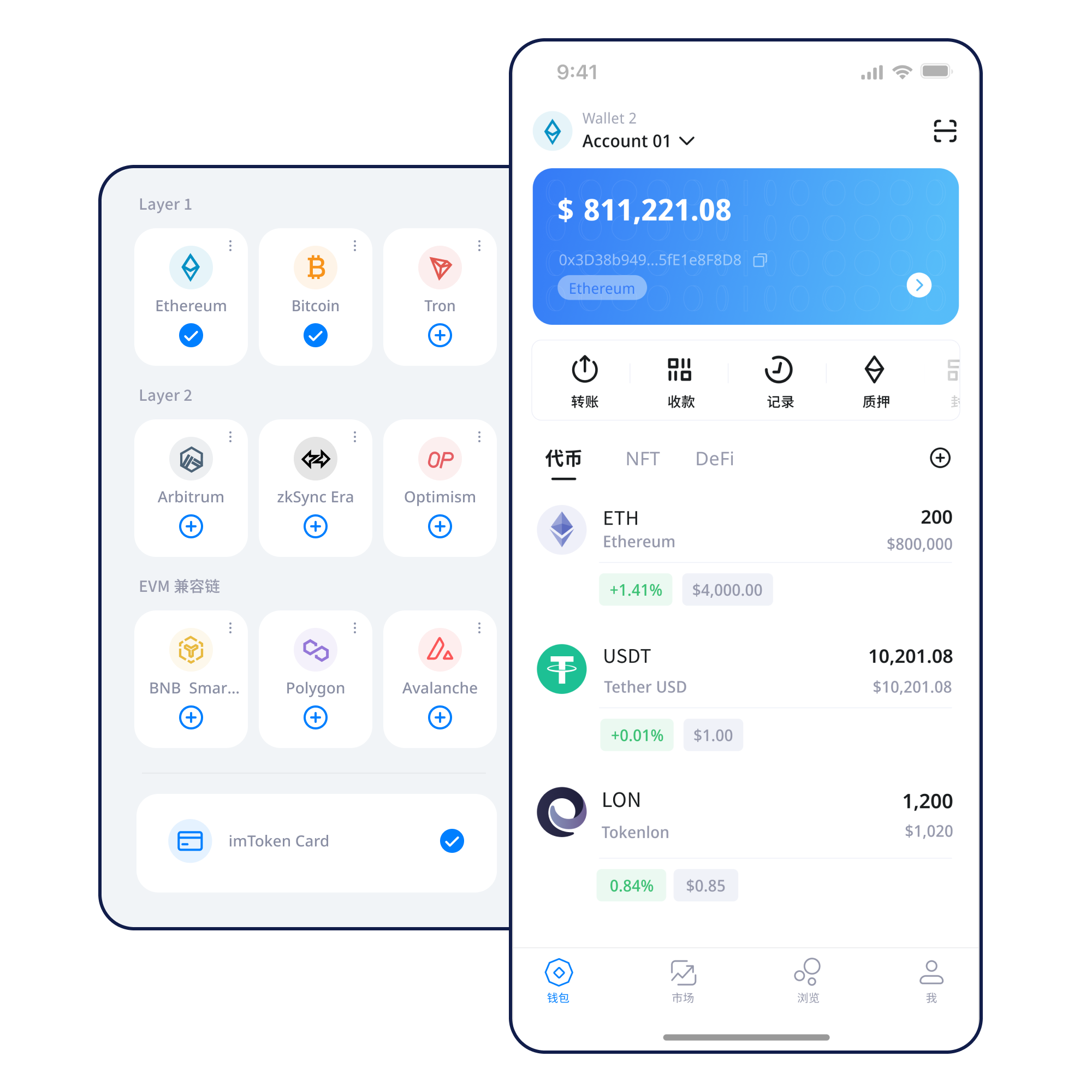
Start from a trusted entry point and understand how the wallet, address, and recovery material relate.
Read guide →Keep seed phrases and private keys offline. Do not photograph, upload, or send them to anyone.
Read guide →Confirm the current network before copying an address, and make sure the sender uses the same network.
Read guide →Review address, network, amount, and gas before sending, then keep the transaction hash.
Read guide →Verify the domain and account request, then review every signature and approval separately.
Read guide →Understand how assets, addresses, and confirmation rules differ across networks.
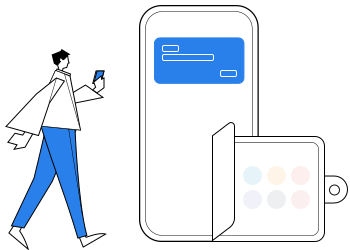
Build a repeatable flow around addresses, networks, amounts, gas, and transaction hashes.
View transfer guide →For mobile asset viewing, network management, transaction history, and DApp access.
For browser connections, review account requests, signatures, approval targets, and disconnect when finished.
Learn about Web connections →Keep seed phrases and private keys offline and never send them to anyone; review the target and scope before approving.
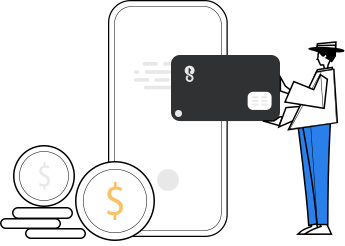
Networks can share similar address formats while using different assets, gas tokens, contracts, and confirmation rules. Verify the target network before switching.
Learn more →Public chains combine nodes, blocks, transactions, and consensus rules. Block explorers help verify whether a transaction entered a block and how many confirmations it has.
Learn more →
EVM networks share a similar smart-contract execution model, but network IDs, gas assets, deployments, and risk conditions still need to be checked per network.
Learn more →
Layer 2 systems typically relate to a base layer through settlement or data. Cross-layer transfers require careful checks of the bridge path, waiting period, and destination network.
Learn more →
Gas reflects execution-resource cost, and congestion can affect fees and confirmation speed. After submitting a transaction, use its hash to verify status.
Learn more →At every step, verify the target, network, and request content before continuing.
At every step, verify the target, network, and request content before continuing.
At every step, verify the target, network, and request content before continuing.
At every step, verify the target, network, and request content before continuing.
At every step, verify the target, network, and request content before continuing.
At every step, verify the target, network, and request content before continuing.
Connecting a wallet does not mean every signature request should be accepted. Review each signature and approval on its own.
Open the Web3 guide →Users are responsible for seed phrases and private keys. Official staff will not ask for seed phrases, private keys, or verification codes. Verify addresses, networks, and amounts before transfers, and review DApp or smart-contract approvals carefully.
Open Security CenterStart with addresses, seed phrases, private keys, networks, gas, transaction hashes, DApps, and approvals before performing real actions. This helps you understand what you are approving when networks switch or requests appear.
Read the getting-started guide →Build understanding through mechanics, practical use, and risk boundaries.
Build understanding through mechanics, practical use, and risk boundaries.
Build understanding through mechanics, practical use, and risk boundaries.
Build understanding through mechanics, practical use, and risk boundaries.
Build understanding through mechanics, practical use, and risk boundaries.
Build understanding through mechanics, practical use, and risk boundaries.
Understand PoS, validators, reward sources, network state, withdrawals, and exits. Rewards are not fixed and exits may require waiting.
Learn about Ethereum staking →Validators can face network penalties, smart contracts can fail, exits may involve waiting, and digital-asset prices can move. Staking does not guarantee returns.
Understand PoS & validators →Practical guidance continues to expand across wallet, network, Web3, and safety topics.
Similar address formats do not replace network verification.
Official staff will not ask for seed phrases, private keys, or verification codes.
All download buttons use the same dedicated page and require an explicit user action.
Avoid sending a seed phrase to cloud services, chats, or third-party pages. Prefer a secure offline backup.
No. Connections, signatures, transactions, and approvals are separate actions that should be reviewed independently.
Keep the transaction hash and use the relevant block explorer to check status, block inclusion, and confirmations.
No. Rewards can change, exits can involve waiting, and validators can be subject to network penalties.
No. EVM networks often share an address format while using different network IDs, gas assets, and contract deployments.
No. Users are responsible for seed phrases and private keys, and official staff will not ask for them.
All download actions go through /download.html. Do not enter seed phrases, private keys, or verification codes into website forms.